
The atmospheric woodlands of the New Forest are enchanting year-round, but in spring they undergo a particularly vibrant transformation. If you time your visit just right and know where to look, you can enjoy sweeping carpets of blue-violet bluebells adorning the forest floor!
When Can You See Bluebells in the New Forest?
Bluebells are a native British flower that can be seen blooming across the UK. In fact, the UK is home to over half of the world’s Hyacinthoides non-scripta bluebell population – they are now protected under the Wildlife and Countryside Act 1981, further adding a sense of reverence.
These distinctive blue and purple hued flowers are a springtime staple, typically flowering from late March to early May, depending on the region and yearly conditions.
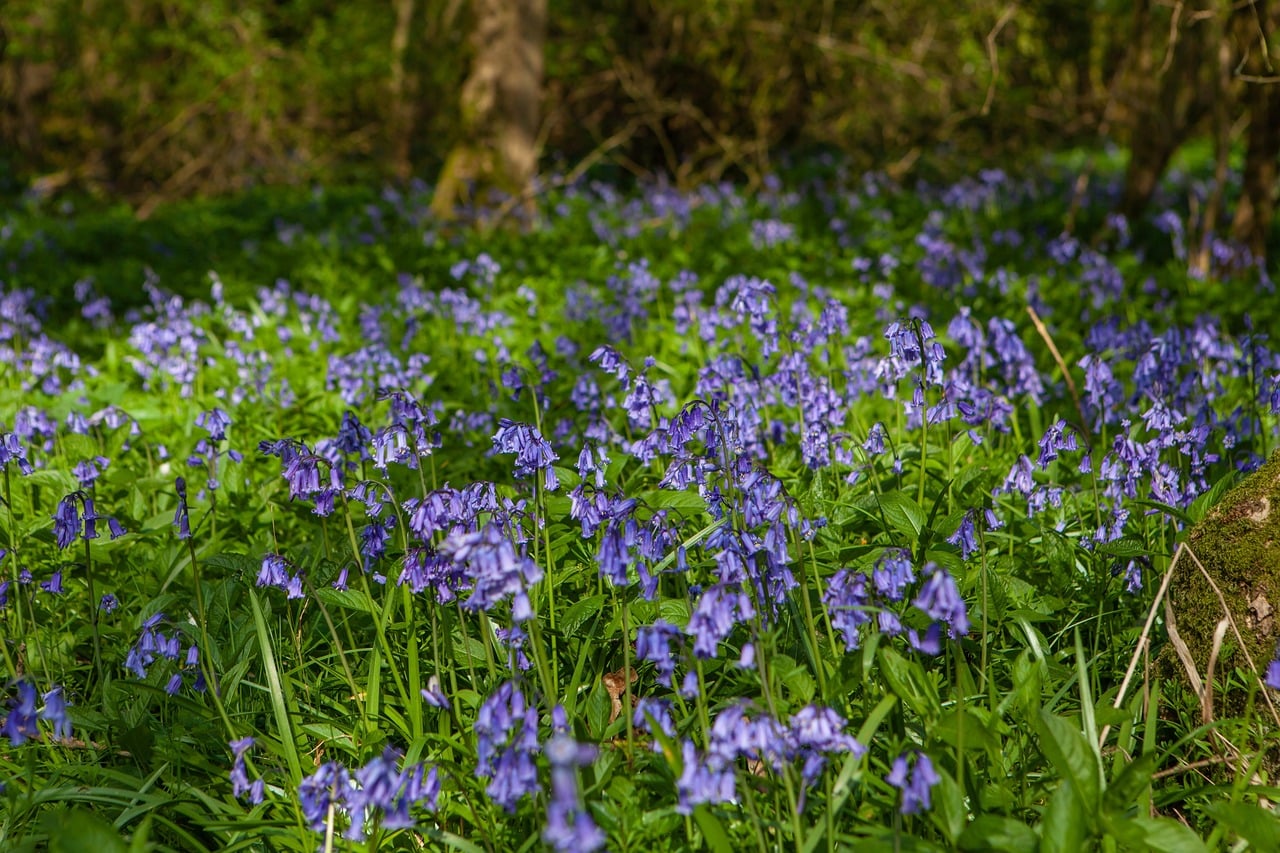
Late April is usually the best time for bluebells in the New Forest, at which point you can see them carpeting ancient woodland floors – their preferred habitat. The flowers emerge at this time of year to take advantage of spring sunshine before the tree canopies become too dense.
The flowering period usually lasts for around 2-4 weeks, making their fleeting appearance all the more magical.
The Best Places to See Bluebells in the New Forest
Bluebells thrive under the shady protection of ancient broadleaf canopies, meaning the New Forest provides plenty of opportunities to spot them. The best bluebell colonies grow in protected inclosures that don’t get too many visits from grazing animals.
There are a number of fantastic bluebells spots located across the New Forest, including some of the UK’s very best!
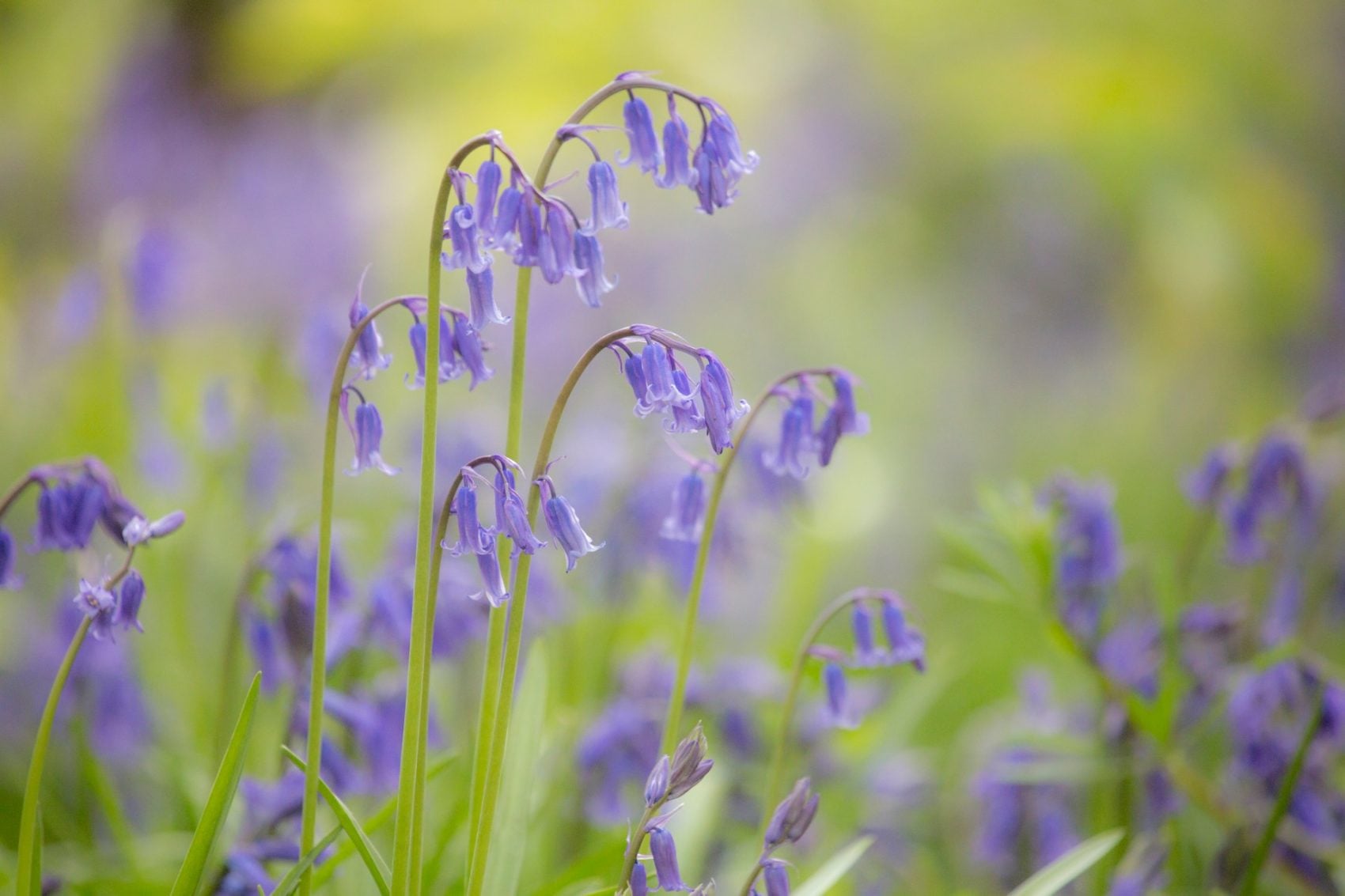
Ivy Wood, near Brockenhurst
Just outside of Brockenhurst, Ivy Wood is a beloved, but not particularly busy spot for a stroll under cover of leafy woodland. Parts of the route here run parallel to Lymington River, and the main circular walk from the car park takes you past a number of inclosures.
The New Forest National Park Authority highlights Ivy Wood as the best place to see bluebells so keep your eye peeled for smatterings of blue blooms. You’ll likely need to only walk a little way into the woods from the car park before seeing them emerging from the lush green undergrowth.
Roydon Woods, near Brockenhurst
Also located near Brockenhurst, this Natural Reserve spans almost 1000 acres of rich ancient woodlands and wild meadow habitats, making it a prime spot for bluebells and other spring flowers.
There are a number of different paths to explore, just make sure to stick to the bridleways and permitted paths to help maintain the beautifully unspoilt woodland. Bluebells thrive in various areas across the site, although some of the densest carpets can be seen when you enter the woods via the Church Lane bridleway.

Pondhead Inclosure, near Lyndhurst
Another top bluebell woodland, Pondhead Inclosure has not been grazed by ponies and cattle for several hundred years. This has allowed for some remarkable biodiversity, with the woods now home to an array of flora, birds and butterflies.
Embark on the short circular walk to explore the inclosure and enjoy the conservation efforts made by Pondhead’s volunteers. You won’t have to look too hard for bluebells as they spring up in dazzling swathes across many areas of the forest floor.
Sandleheath, near Fordingbridge
The woods near the village of Sandleheath on the western edge of the New Forest come alive with bluebells in springtime. The routes around Marl Lane can be particularly good places to see the blooms. With various public footpaths through the woodland, this area is easy to explore.

Broomy Inclosure, near Fordingbridge
On the other side of Fordingbridge, you’ll find Broomy Inclosure, offering a tranquil network of winding woodland paths amidst ungrazed woodland. It doesn’t tend to get too busy here, so it’s ideal if you fancy a peaceful stroll with a chance to see magical bluebell blooms.
Sloden Inclosure, near Fritham
One of Forestry England’s top picks for bluebells is Sloden Inlosure near Fritham. The Fritham Plain, Sloden and Amberwood Inclosure circular walk provides a lovely way to explore the surrounding woods and heathland, giving you the chance to discover violet bluebell seas in the protected areas.
Bluebell Wood, Burley
The quaint village of Burley is surrounded by easy accessible walks, including the popular Burley Village circular route. One of the wooded areas along these countryside lanes is known locally as Bluebell Wood. If the name is anything to go by, you’re in for some delightful bluebell scenes!
Exbury Gardens, Exbury
Known for a world famous collection of rhododendrons and azaleas, Exbury Gardens is home to over 200 acres of ornamental and informal woodland gardens, including drifts of bluebells.
You can see the site’s bluebells most prominently along either side of the Summer Lane drive, giving a real sense of immersion.
Furzey Gardens, Minstead
For another stunning New Forest garden experience, head to Furzey, which is home to 10 acres of enchanting woodland gardens where you can relax and get back in touch with nature. Enjoy a riot of colours and scents from springtime favourites, with plenty of bluebell patches bringing the woodland to life.
Wherever you’re headed, remember to stay respectful of the forest and its inhabitants. Bluebells are protected so you mustn’t pick or dig them up – colonies can take years to recover from damage. Make sure to stick to the designated paths when on the look out for bluebells to avoid trampling them.
Many of our holiday cottages in the New Forest are just a short distance from some of these beautiful bluebell spots and woodland walks. If you’re ready for a splendid spring adventure, why not discover your perfect escape today?