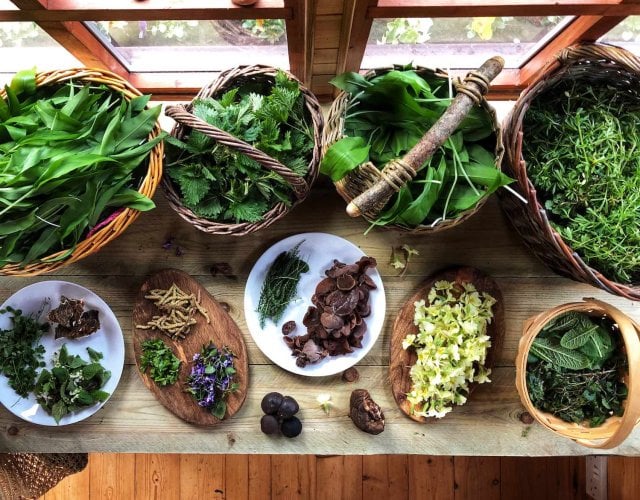
The act of foraging – gathering wild food for free – is a lovely way to reconnect with nature and appreciate the abundance around us. And the New Forest certainly doesn’t disappoint when it comes to the hidden (and, crucially, edible) treasures amidst hedgerows and other diverse environments.
However, picking wild plants requires a bit of know-how, regarding both knowing what you’re harvesting and doing so in the best, most respectful way. Here’s our beginners’ guide to foraging in the New Forest, whatever the season.
Are You Allowed to Forage in the New Forest?
General foraging for common edible plants intended for personal use is permitted in the New Forest. However, it is essential that you follow foraging best practices to ensure no damage is done to the local environment.
Foraging for commercial reasons is prohibited unless you have explicit permission from the landowner.
Picking fungi and mushrooms in the New Forest is also strictly prohibited, as it’s home to some very rare (not to mention poisonous) species.
New Forest Foraging Rules
Organisations like the Woodland Trust and Forestry England set out a number of responsible foraging guidelines to ensure we all do our part to maintain our beautiful natural environments in a way that allows for safe, lawful and enjoyable experiences.
Know what you’re picking: If you are not 100% sure you know the plant you’re foraging, it’s best to simply leave it behind. Only pick things you can definitely identify – reference books and field guides can be incredibly useful.
Minimise damage: Keep to existing paths and be careful not to trample other plants when picking berries or leaves, etc.
Don’t take too much: Only take from plentiful populations and don’t take excessive amounts. If you take about a third of what’s growing in a particular spot, it will easily regenerate and continue functioning in the local ecosystem.
Avoid rare plants: It’s best to leave any rare species alone. Some species are protected by law, so if you’re not sure, don’t harvest it; you might end up doing quite a bit of damage.
Don’t dig up plants: Foraging is about picking a little bit from here and there; you should never uproot or remove whole plants.
What Can You Forage in the New Forest?
You can discover all sorts of seasonal delights once you know what to look for!
Spring
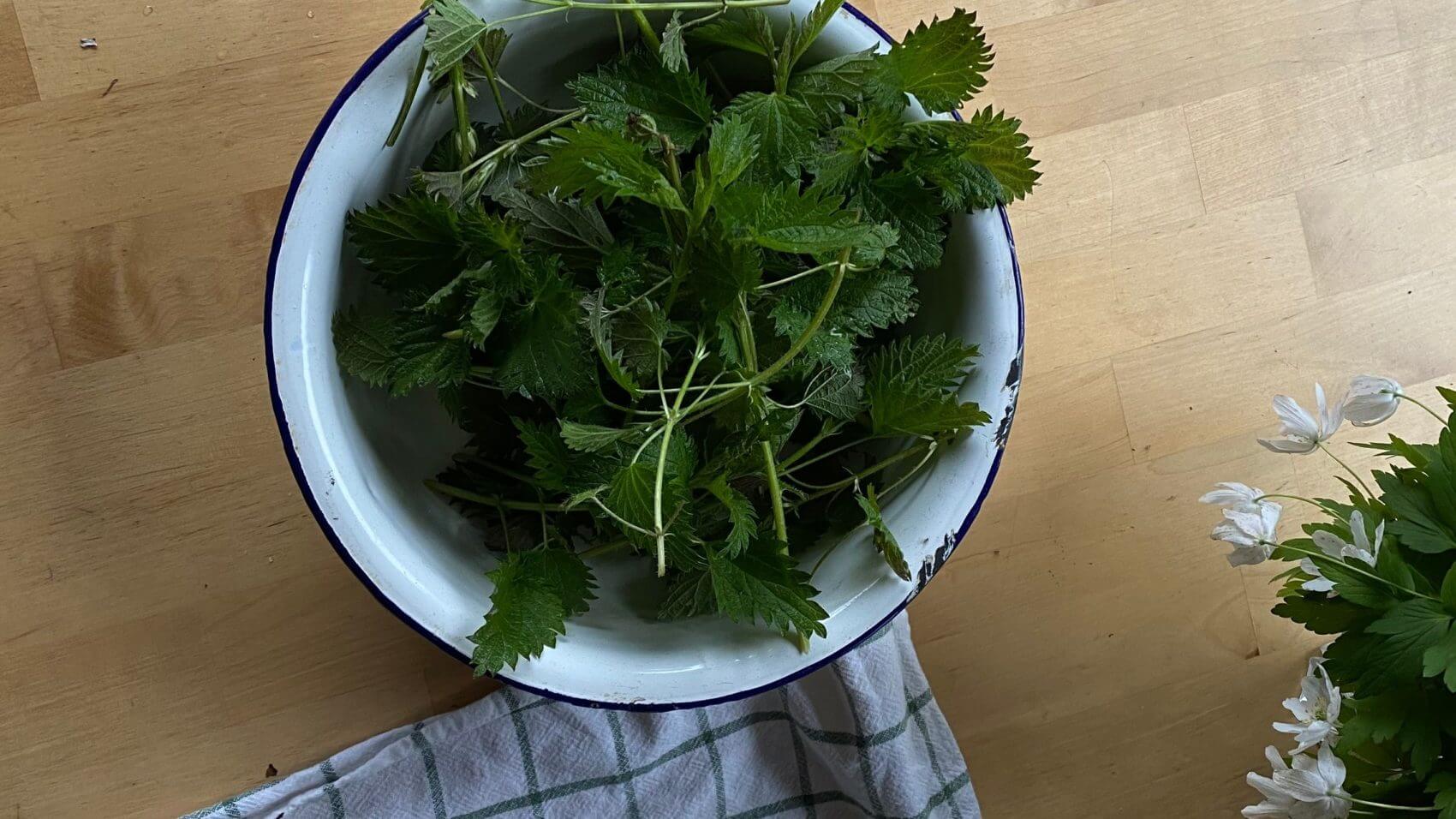
Nettles: Pick the tips and pinch the plant to squash the needles that cause stings. Squash the leaves and roll them around until all the stingers have gone. They’ll look unappealing, but they’re safer like that! Have them fresh as nettle tea or steam them as an early vegetable.
Wild Garlic: This grows in abundance in shaded woodland carpets. Use the leaves with their strong scent for salads, soups and pasta dishes.
Hawthorn Leaves: Early leaves are tangy and perfect for salads.
Beach Leaves: A great alternative to rocket on salads.
Summer
Lime Tree Leaves: Best around late spring and early summer, these leaves offer a lemony, citrus flavour that is ideal for adding to teas or salads. In the past, they were used to thicken soup.
Elderflower: The sweet flowers are great for incorporating into cordials and syrups.
Dandelion: Like nettles, you might not immediately think of eating dandelion, but the leaves, roots and flowers are all edible and can be used in salads, as cooked greens or to make wine.
Wild strawberries: Dainty-looking wild strawberries are in decline but a real treat if you do come across them.
Samphire: This edible seaweed is a local favourite. You can find it along the lagoon at Hurst Spit; it grows in huge numbers along the foreshore.
Autumn
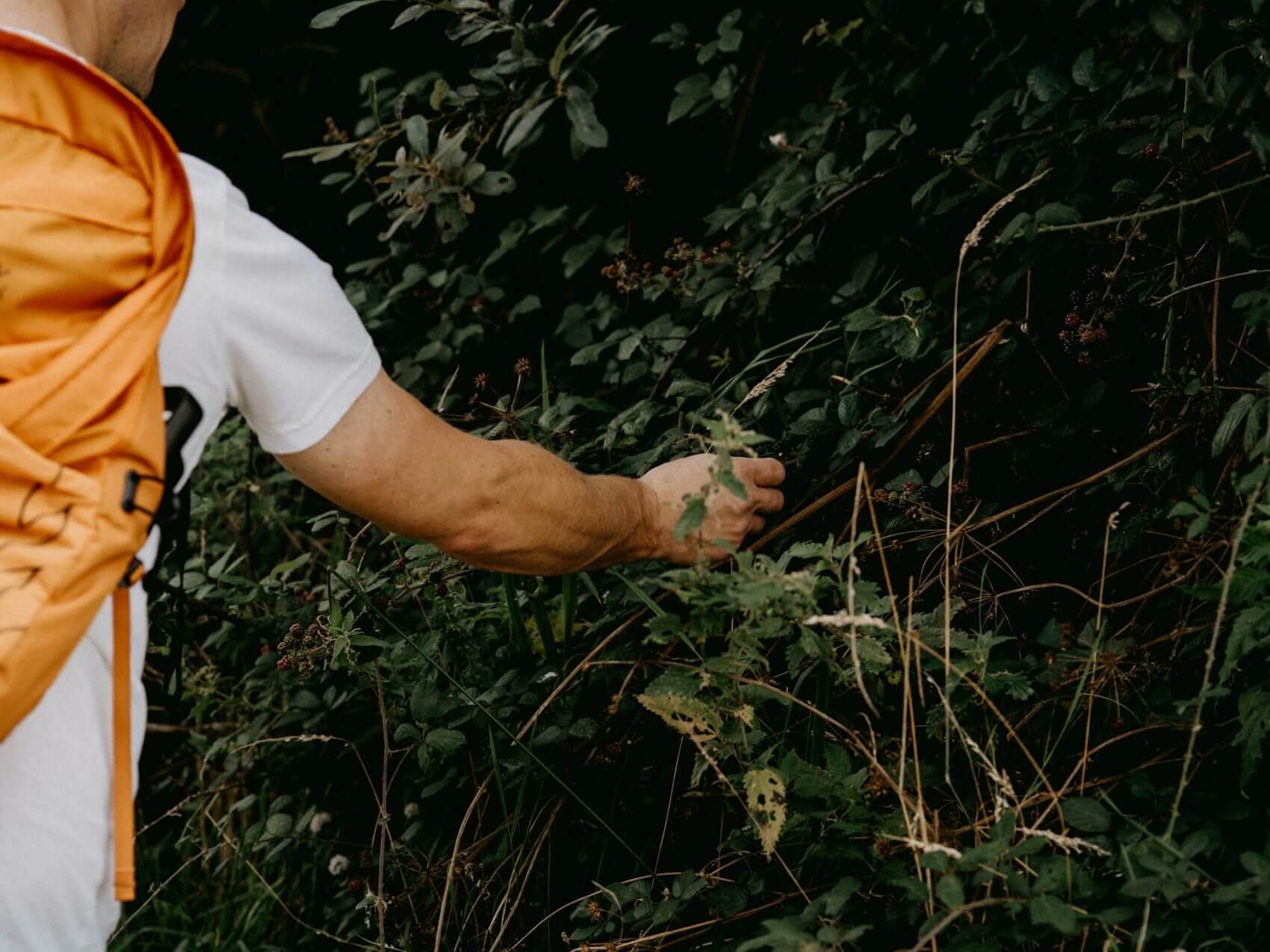
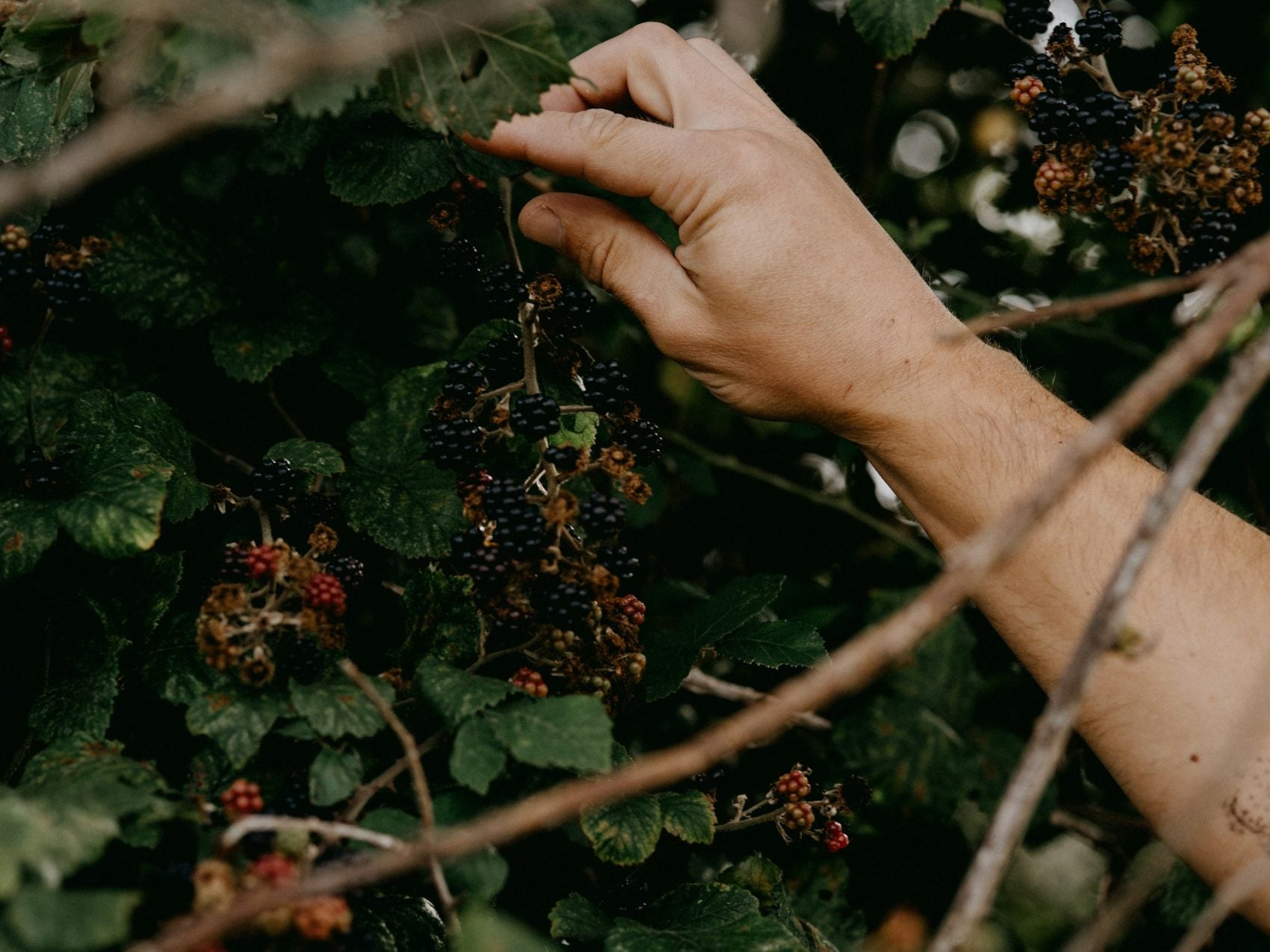
Blackberries: A forager’s staple, ideal for using in jam, baked goods or simply eating raw.
Crab apples: Usually too sour for eating raw, but they can be great for cider-making.
Blackthorn berries/sloes: Sloes are also very sour when raw and are best for steeping in gin and other liqueurs.
Sweet chestnuts: Great for roasting or making into tasty purees.
What Can’t You Pick?
While the above are safe for picking, Forestry England enforces a strict no-picking policy for fungi, as the forest protects many rare and protected species. Parts of the forest are designated Sites of Special Scientific Interest due to their fungi populations, making it illegal to pick them in these areas.
While you cannot forage for fungi, Forestry England does allow and facilitate several educational fungi events and walks that are great for learning more about these essential parts of the forest ecosystem.
Additionally, all wild plants in the UK are protected under the Wildlife and Countryside Act (1981), which means you cannot uproot any wild plants and you cannot forage particular species that are fully protected. So, again, if you are not 100% sure, leave it where it is.
Foraging Courses & Experiences in the New Forest
If you’re interested in foraging around the wonderfully bountiful New Forest, but are nervous about heading out on your own, there are several fabulous courses run by foraging experts, ideal for learning the ropes.
Wild Food UK: Runs courses all over the UK designed to expand your knowledge of edible and toxic plants. The New Forest foraging courses are held in Linwood.
Experience Hampshire: Facilitates foraging workshops throughout the area, including in the New Forest.
Foraged: A Bushcraft and foraging school with various courses around the UK, including a mushroom walk in the New Forest.
For more information about foraging, you may also be interested in the book Wildcook by New Forest local and foraging professional Garry Eveleigh. Here, you can read more about what to find and where, as well as get access to some great recipes created by James Golding, former head chef at THE PIG in Brockenhurst.
If you want to escape to the depths of the forest and see what you can find for yourself, maybe a trip to our glorious corner of the country is in order! Explore our handpicked selection of luxury New Forest holiday cottages, offering everything from sprawling countryside hideaways to buzzy townhouses to start planning your perfect getaway.
More things to do and see when you're here...
Head over to the blog for all kinds of good information on where to go, what to do and how to do it!
While the New Forest boasts plenty of must-visit attractions, it also hides a number of unique, lesser-explored spots for those willing to venture off the…



 For more information about foraging, you may also be interested in the book Wildcook by New Forest local and foraging professional Garry Eveleigh. Here, you can read more about what to find and where, as well as get access to some great recipes created by James Golding, former head chef at THE PIG in Brockenhurst.